Unpacking the Vocabulary of LLMs: A How-To Guide
Introduction
Welcome to our comprehensive guide on the vocabulary of Large Language Models (LLMs). As artificial intelligence continues to evolve, understanding the lexicon surrounding LLMs can empower users to leverage these models more effectively. This guide aims to demystify the terminology and provide clear, actionable insights into the world of LLMs.
What Are Large Language Models (LLMs)?
Large Language Models are a type of artificial intelligence that uses deep learning techniques to understand and generate human-like text based on the data they have been trained on. These models can perform a variety of tasks such as translation, summarization, and even generating creative content.
Key Components of LLMs
- Training Data: The large datasets from which LLMs learn language and context.
- Algorithms: The rules and processes that guide the model’s learning from data.
- Parameters: The aspects of the model that are adjusted during training to optimize performance.
- Tokens: The smallest units of language that LLMs process, which can be words or parts of words.
Understanding LLM Vocabulary
The vocabulary of LLMs refers to the set of all possible tokens that a model can recognize and generate. This section will explore these vocabularies, how they are built, and their significance in AI interactions.
Tokenization
Tokenization is the process of breaking down text into smaller parts, or tokens. Different models use different tokenization strategies, which can affect both the model’s performance and the way it understands language.
Vocabulary Size
The size of a model’s vocabulary is a crucial factor in its ability to understand and generate text. A larger vocabulary allows for more granularity but might require more computational resources.
Practical Applications of LLMs
LLMs have a wide range of applications across different fields. Here are some areas where understanding the vocabulary of LLMs can be particularly beneficial:
- Content Creation: For writers and marketers, LLMs can help generate creative content, suggest edits, or provide writing assistance.
- Customer Service: LLMs can power chatbots and virtual assistants to provide timely and effective customer support.
- Translation Services: They can also be used to provide real-time translation services, breaking language barriers in global communications.
Enhancing Your Understanding of LLMs
To truly master the use of LLMs, it’s essential to not only understand their vocabulary but also the nuances of how they interpret and generate language. Here are a few tips for enhancing your understanding:
- Regular Updates: Keep up with the latest improvements and updates in LLM technology to ensure you’re using the most advanced tools available.
- Custom Training: Consider training an LLM on specific datasets that are relevant to your field to enhance its performance in niche areas.
- Experimentation: Regularly test different settings and parameters to see what works best for your specific needs.
Conclusion
Understanding the vocabulary of LLMs is a foundational step in harnessing their power effectively. By familiarizing yourself with the key terms and components, and staying abreast of developments in this field, you can significantly enhance your interactions with these advanced models. We hope this guide has illuminated the complex vocabulary of LLMs and provided you with the tools to explore this fascinating aspect of AI further.
FAQ
- What is tokenization in the context of LLMs? Tokenization is the process of breaking text down into smaller parts, known as tokens, which can be words or parts of words.
- How large is the vocabulary of an LLM? The vocabulary size can vary widely between different models, from tens of thousands to over a hundred thousand tokens.
- Can I train my own LLM? Yes, it is possible to train an LLM on a custom dataset, though it requires significant computational resources and expertise in machine learning.
Thank You for Reading this Blog and See You Soon! 🙏 👋
Let's connect 🚀
Latest Insights
Deep dives into AI, Engineering, and the Future of Tech.
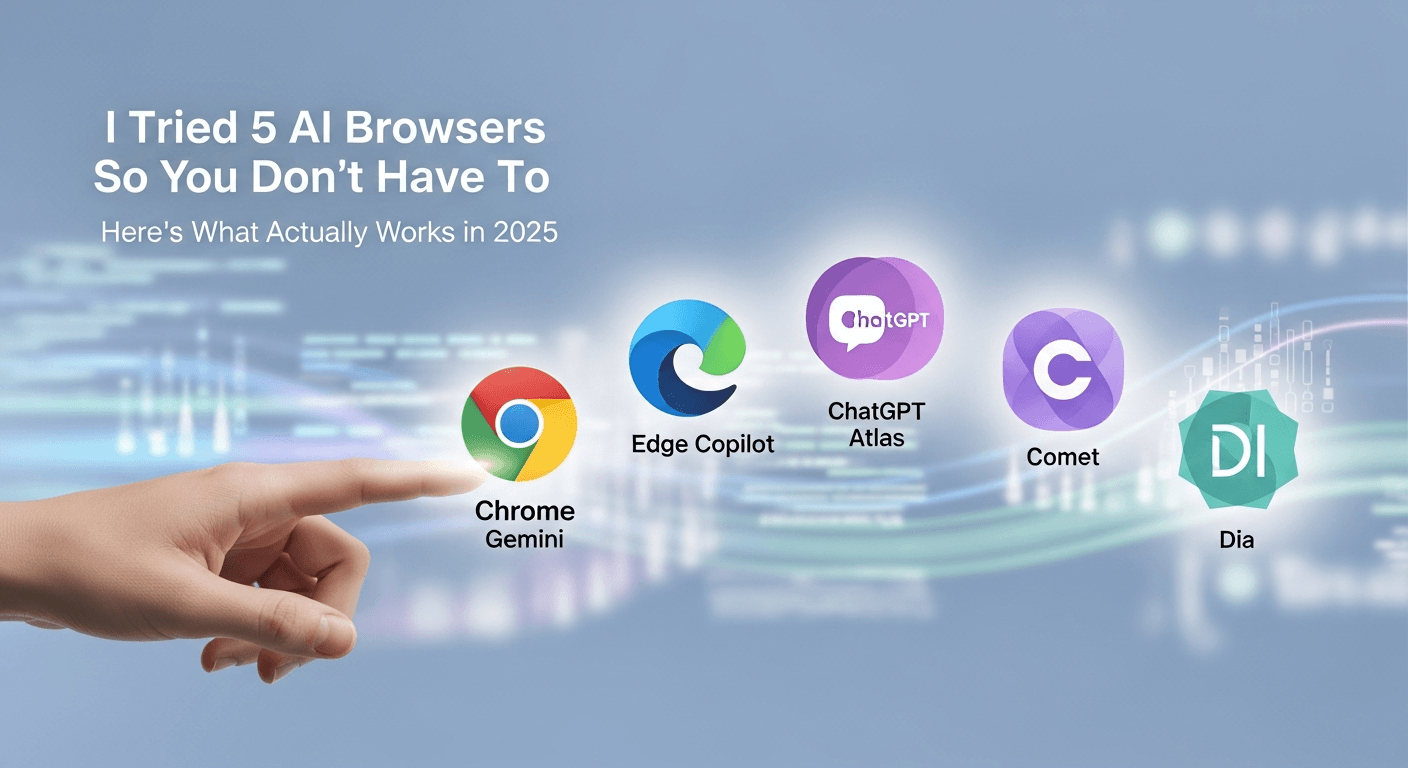
I Tried 5 AI Browsers So You Don’t Have To: Here’s What Actually Works in 2025
I explored 5 AI browsers—Chrome Gemini, Edge Copilot, ChatGPT Atlas, Comet, and Dia—to find out what works. Here are insights, advantages, and safety recommendations.
Read Article


