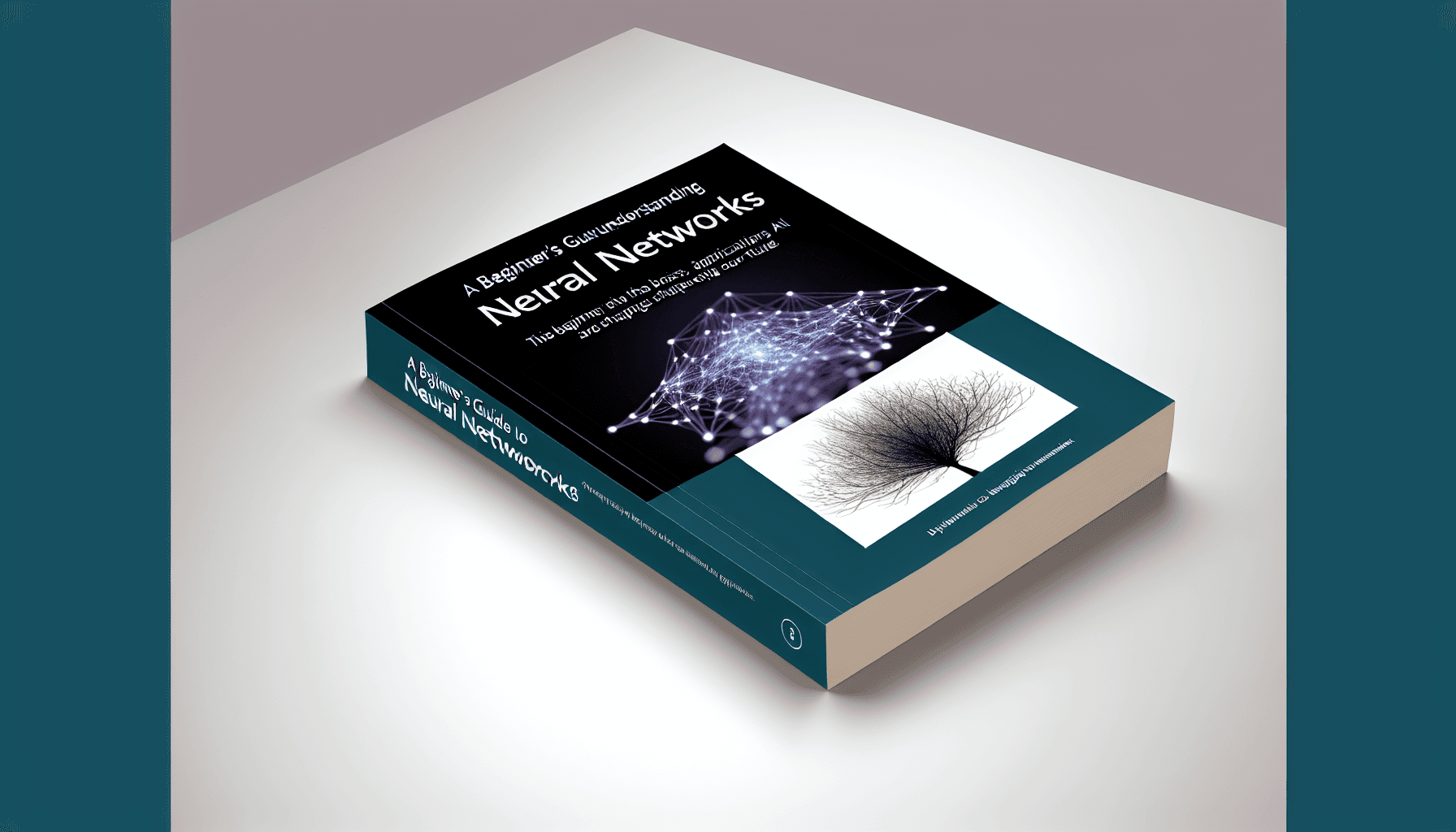
A Beginner’s Guide to Understanding Neural Networks
Introduction
Neural networks, a foundational aspect of Artificial Intelligence (AI), are transforming industries and everyday life. This guide will demystify neural networks for beginners, explaining their fundamentals, real-world applications, and more.
What are Neural Networks?
At its core, a neural network is a series of algorithms that attempt to recognize underlying relationships in a set of data through a process that mimics how the human brain operates. Neural networks are composed of layers of interconnected nodes or ‘neurons,’ each layer designed to perform specific operations on the input data. These networks are capable of learning from the data they process, making them incredibly powerful tools for predictive analysis.
How Do Neural Networks Work?
Neural networks involve multiple layers of processing to make sense of the information received. The structure consists of:
- Input Layer – Receives raw data from the outside world.
- Hidden Layers – Perform various computations through a system of weighted connections.
- Output Layer – Provides the final result or prediction.
The process of learning in neural networks involves adjusting these weights based on the feedback regarding the accuracy of predictions during the training phase. This training is typically performed using a method called backpropagation.
Benefits of Neural Networks
Neural networks offer several advantages:
- Adaptability: They can improve their accuracy over time without human intervention.
- Processing Capabilities: Capable of processing large volumes of data with complex variables.
- Real-time Operation: They can execute tasks and make decisions in real-time.
These features make neural networks invaluable in fields like healthcare, finance, autonomous driving, and more.
Real-world Applications of Neural Networks
Neural networks are not just theoretical constructs; they have practical, impactful applications:
- Healthcare: From predicting patient diagnoses to robotic surgery, neural networks are enhancing medical care.
- Finance: Used for credit scoring, algorithmic trading, and risk management.
- Autonomous Vehicles: Crucial in developing self-driving cars, helping them interpret sensory data and make decisions.
- Customer Service: Powering chatbots and virtual assistants to improve customer interaction.
Challenges and Ethical Considerations
Despite their advantages, neural networks also pose challenges and ethical concerns:
- Data Bias: If trained on biased data sets, they can produce biased outcomes.
- Transparency: The complexity of neural networks can make it difficult to understand how decisions are made.
- Security Risks: Vulnerable to hacking, which can lead to misuse of data or functionality.
Addressing these issues is essential for the responsible development and deployment of neural technologies.
Learning Resources
For those intrigued by neural networks and eager to learn more, numerous resources are available. Online courses, webinars, and textbooks designed for beginners can provide a comprehensive understanding, while community forums and academic research offer deeper insights.
Conclusion
Neural networks are a robust tool in the AI landscape, offering vast capabilities and prompting discussions on technological ethics and application. As AI continues to evolve, understanding neural networks is increasingly important for those interested in technology, making this field both fascinating and essential to the future of innovation.
Keywords: Neural Networks, AI, Machine Learning, Deep Learning, Artificial Intelligence, Data Processing, Predictive Analysis, Real-time Decisions, Healthcare Technology, Autonomous Driving, AI Ethics, Machine Learning Education
Thank You for Reading this Blog and See You Soon! 🙏 👋
Let's connect 🚀
Latest Insights
Deep dives into AI, Engineering, and the Future of Tech.

I Tried 5 AI Browsers So You Don’t Have To: Here’s What Actually Works in 2025
I explored 5 AI browsers—Chrome Gemini, Edge Copilot, ChatGPT Atlas, Comet, and Dia—to find out what works. Here are insights, advantages, and safety recommendations.
Read Article


