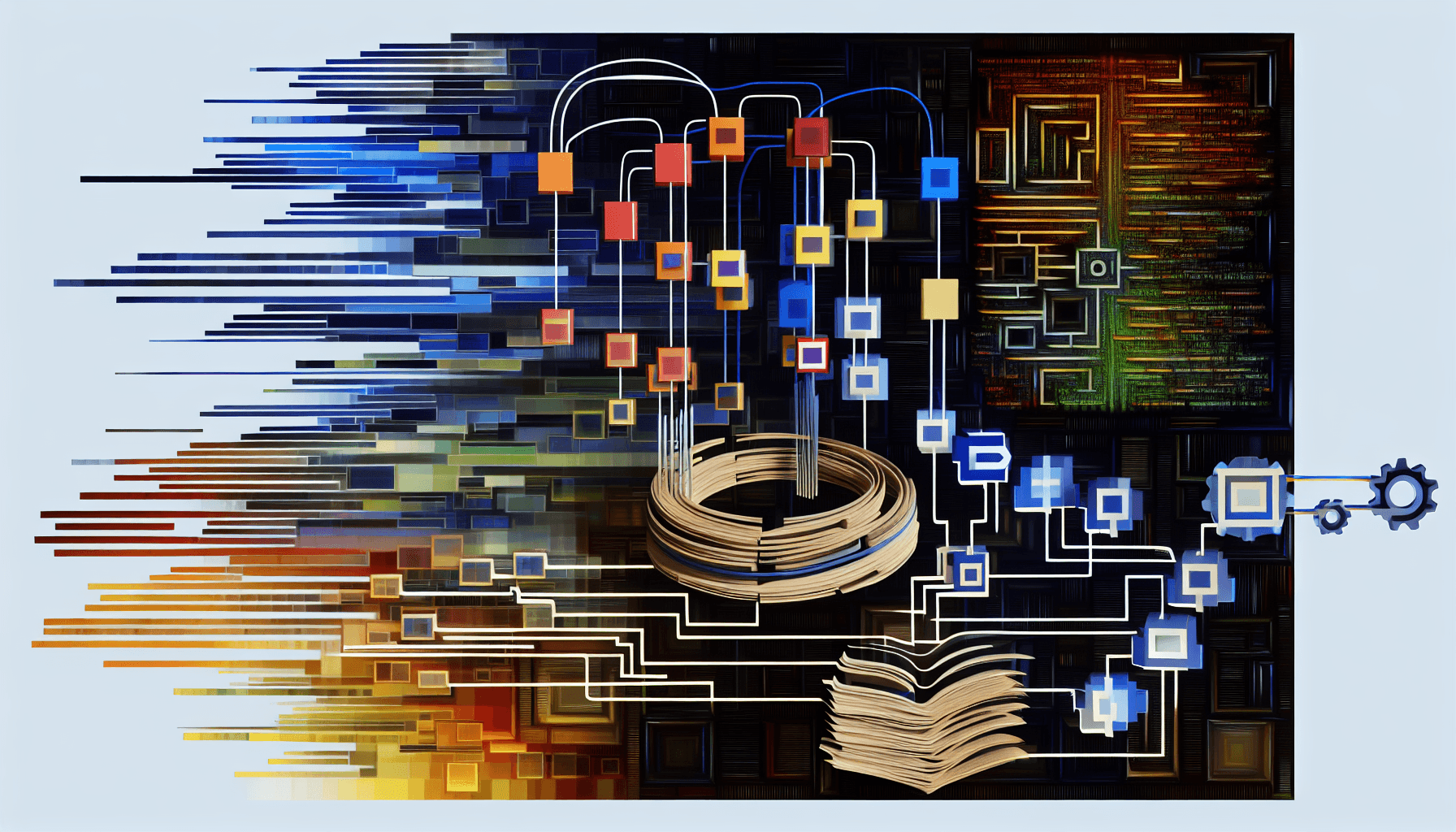
Tokenizing Complex Text: Advanced Techniques
Introduction
In the evolving field of natural language processing (NLP), the tokenization of text serves as a fundamental step. This process, which involves breaking down complex text into manageable pieces, or tokens, can significantly impact the performance of machine learning models. In this blog, we dive deep into advanced tokenization techniques that tackle various complexities of languages and enhance text analysis.
Understanding Basic Tokenization
Tokenization is the initial phase in text analysis wherein the text is split into sentences, words, or even subwords. This segmentation helps in simplifying the parsing and understanding of text by computers. Simple tokenization strategies include splitting text by spaces and punctuation, but these methods often struggle with complex text structures.
Challenges in Complex Text Tokenization
Text complexity can arise from various sources such as multilingual content, the presence of specialized jargon, idiomatic phrases, or even text with non-standard orthography. Each of these elements introduces unique challenges in tokenization that require sophisticated approaches beyond basic methods.
Advanced Techniques in Tokenizing Complex Text
1. Machine Learning-Based Tokenization: Machine learning models can be trained on large datasets to understand and predict where tokens should be divided. This approach adapitates to the nuances of language and improves over time through learning.
2. Rule-Based Tokenization: For languages with complex morphology, rule-based tokenization which employs grammar and syntax rules can prove effective. This technique is often paired with machine learning models to enhance accuracy.
3. Subword Tokenization: Techniques like Byte Pair Encoding (BPE) or WordPiece are used to split words into more predictable sub-units. This approach is beneficial for handling rare words and generalizing better on unseen text.
4. Hybrid Models: Combining multiple tokenization techniques can yield superior results. For instance, a hybrid model utilizing both rule-based and machine learning approaches can effectively manage intricacies in tokenization across different languages and text forms.
Tools and Libraries for Tokenization
Several NLP libraries such as NLTK, spaCy, and TensorFlow provide robust tools for tokenizing text. These platforms often include pre-trained models that are readily usable and adaptable for various NLP tasks including tokenization. Leveraging these tools allows developers to efficiently process large volumes of text while handling complex tokenization challenges.
Impact of Advanced Tokenization on NLP
Advanced tokenization techniques enhance the precision and understanding in NLP tasks such as sentiment analysis, machine translation, and text summarization. By accurately segmenting text, these methods improve data quality and model training, ultimately leading to more effective and reliable NLP applications.
Conclusion
As NLP continues to grow, the role of advanced tokenization techniques becomes increasingly important in handling the complexity of human language in computational contexts. By employing sophisticated models and staying abreast of the latest in tokenization research, developers and researchers can build more powerful and nuanced NLP systems.
Embracing these advanced techniques in tokenization will pave the way for more refined language models and open up possibilities for innovative applications in the field of artificial intelligence.
Thank You for Reading this Blog and See You Soon! 🙏 👋
Let's connect 🚀
Latest Insights
Deep dives into AI, Engineering, and the Future of Tech.
I Tried 5 AI Browsers So You Don’t Have To: Here’s What Actually Works in 2025
I explored 5 AI browsers—Chrome Gemini, Edge Copilot, ChatGPT Atlas, Comet, and Dia—to find out what works. Here are insights, advantages, and safety recommendations.
Read Article


