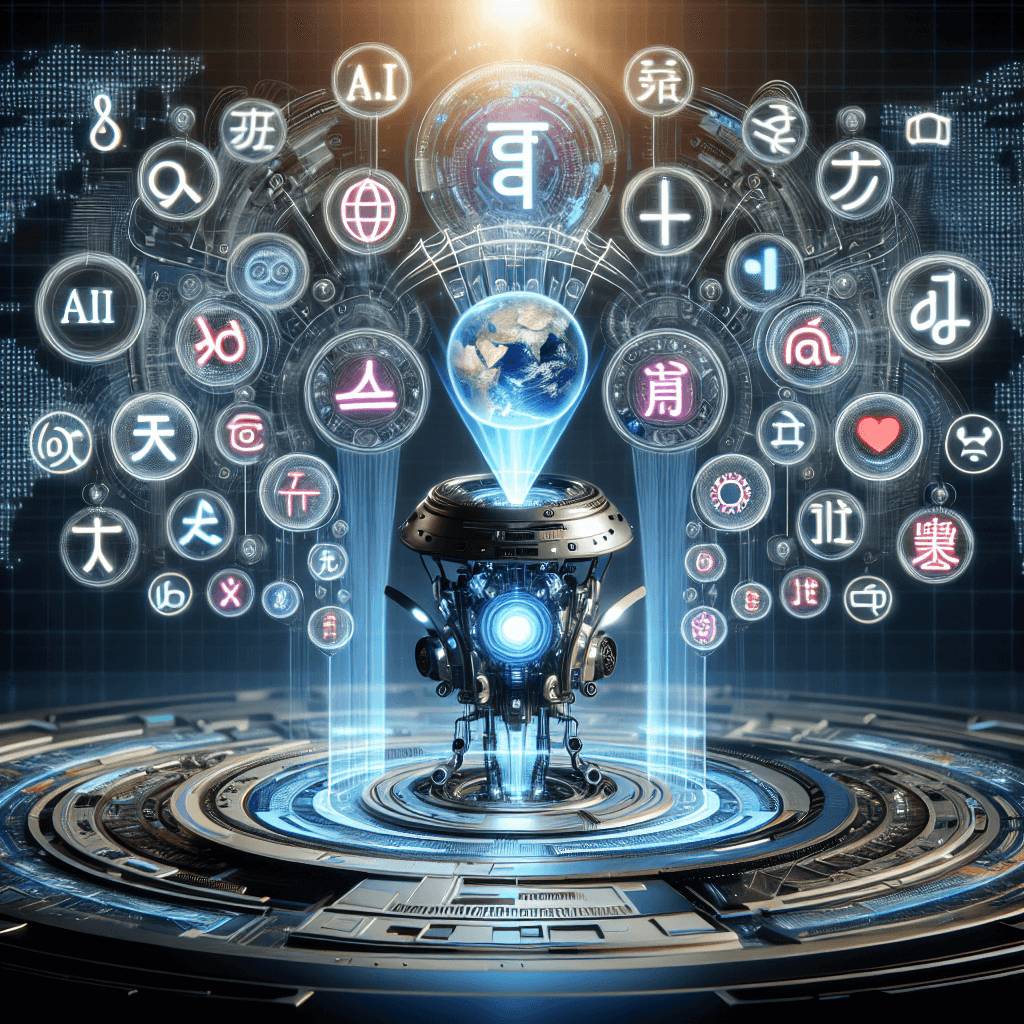
The Role of AI in Translating Multilingual Texts
Introduction
In our interconnected world, the ability to communicate across linguistic boundaries is more crucial than ever. This has amplified the demand for efficient and accurate translation services. Enter Artificial Intelligence (AI), which has transformed the landscape of multilingual communication by automating and refining the translation process. This blog delves into the role of AI in translating multilingual texts, its benefits, challenges, and future prospects.
The Evolution of Translation Services
Translation has come a long way from traditional methods that solely relied on human linguists. The advent of computers brought about the first wave of change with computer-assisted translation (CAT) tools, which helped translators by providing memory databases and terminology support. However, the true transformation began with the integration of AI, especially through machine learning and neural networks, which have significantly enhanced the efficiency and quality of translations.
How AI Transforms Translation
- Machine Translation (MT): AI powers the ability of machines to translate text from one language to another without human intervention. Early examples like rule-based and statistical MT have now given way to more advanced forms like neural machine translation (NMT). NMT uses deep learning models to generate more accurate and contextually appropriate translations.
- Real-Time Translation: AI enables real-time translation in various applications, such as video conferencing and customer support, facilitating instantaneous cross-lingual interactions that are smoother and more effective.
- Enhanced Localization: AI not only translates text but also adapts it culturally and contextually to the target audience, which is vital for businesses expanding into new markets. This process, called localization, involves not just language translation but also a comprehensive adaptation of content to fit the cultural context of the reader.
Benefits of AI in Translation
- Efficiency and Speed: AI-based translation tools can process large volumes of text much faster than human translators, reducing turnaround times for projects.
- Cost Reduction: Automating translation can significantly reduce the costs associated with multilingual communications, making it an economical choice for businesses and governments alike.
- Accessibility: AI translation helps break down language barriers, providing opportunities for people around the world to access information and services in their preferred languages.
Challenges in AI Translation
Despite its benefits, AI translation faces several challenges that need addressing:
- Context and Nuance: Understanding context, idioms, and cultural nuances still remains a challenge for AI, though advances in machine learning are helping to mitigate these issues slowly.
- Data Privacy: Translation tools often require access to large data sets, including sensitive or proprietary information, raising concerns about data security and privacy.
- Dependency on Data Quality: The accuracy of AI translations largely depends on the quality of the input data, requiring substantial and well-annotated training datasets for optimal performance.
The Role of Human Translators
While AI continues to make strides in the translation field, the role of human translators remains vital. They are crucial for editing, proofreading, and validating machine-generated translations, ensuring the final output maintains the original’s subtlety and intent. Human expertise is also indispensable for translating literary works, legal documents, and other texts where precision and contextual understanding are paramount.
Future Trends in AI Translation
Looking towards the future, we can anticipate several trends in the realm of AI-assisted translation:
- Improved Neural Networks: Ongoing improvements in neural network designs are likely to make AI translations even more accurate and context-aware.
- Increased Integration: More integration of AI translation tools across different sectors, such as legal, medical, and technical fields, can be expected, tailored to the specific needs of these industries.
- Enhanced User Interfaces: Future translation tools will likely feature more user-friendly interfaces that facilitate easier interaction and accessibility for all users, regardless of their technical skills.
Conclusion
AI’s role in translating multilingual texts is both transformative and expansive, offering significant advantages while also presenting challenges that need careful navigation. As technology evolves, the interplay between human expertise and machine intelligence will continue to be crucial. The goal remains clear: to enhance and streamline communication in our increasingly globalized world.
Thank You for Reading this Blog and See You Soon! 🙏 👋
Let's connect 🚀
Latest Insights
Deep dives into AI, Engineering, and the Future of Tech.
I Tried 5 AI Browsers So You Don’t Have To: Here’s What Actually Works in 2025
I explored 5 AI browsers—Chrome Gemini, Edge Copilot, ChatGPT Atlas, Comet, and Dia—to find out what works. Here are insights, advantages, and safety recommendations.
Read Article


