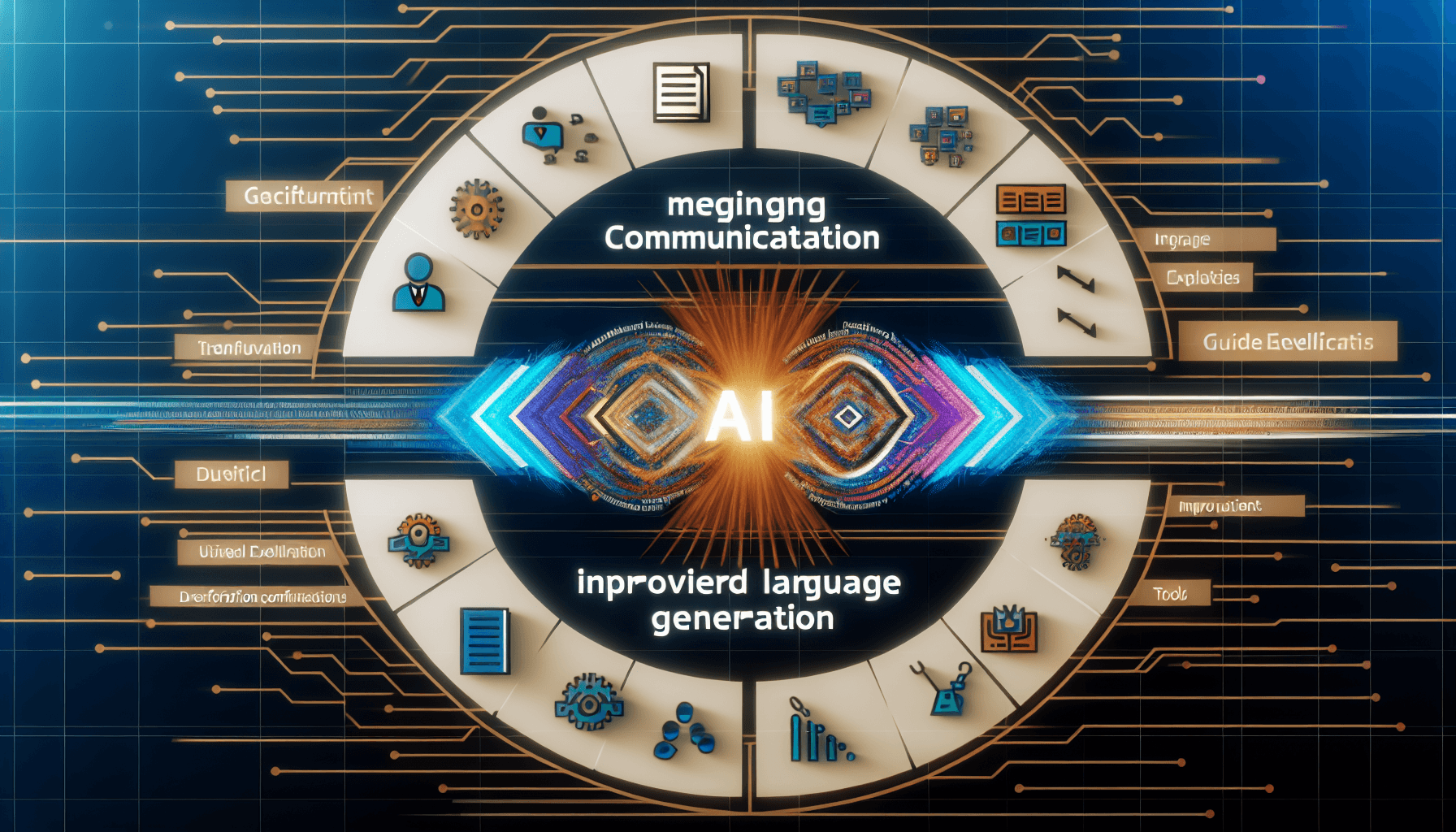
Exploring the Intersection of AI and Language Generation
Introduction
Language is at the core of human interaction, and its synthesis through artificial intelligence (AI) has revolutionized numerous industries, from customer service to content creation. AI-driven language generation tools are not just facilitating smoother interactions but are also enhancing how information is disseminated across various platforms. This blog delves into the nuances of the relationship between AI and language generation, exploring current trends, technological advances, and the potential future landscape of digital communication.
The Evolution of Language Generation in AI
Language generation technology has evolved significantly since the inception of simple automated responses. Today’s advanced AI models, including GPT (Generative Pre-trained Transformer) and BERT (Bidirectional Encoder Representations from Transformers), are capable of producing text that is increasingly indistinguishable from that written by humans. These technologies have been developed through complex machine learning algorithms trained on vast datasets, enabling them to understand and generate language with remarkable accuracy.
Applications and Impact across Industries
AI-driven language generation is being employed across various sectors, driving efficiency and innovation:
- Customer Support: AI chatbots are used to handle customer queries effectively, reducing wait times and improving user satisfaction.
- Content Creation: Media outlets and content creators use AI to write articles, generate creative content, and even personalize news feeds based on user preferences.
- Healthcare: AI is used to generate patient reports and assist in medical documentation, thereby saving time and reducing human error.
- Education: Educational tools powered by AI help create personalized learning experiences and generate adaptive learning materials.
Enhancing User Experience with AI
The integration of AI in language generation significantly enhances user experience by providing more interactive and personalized interactions. For example, AI chatbots are now capable of understanding context, emotion, and subtleties in conversation, offering responses that are more aligned with human emotions. Moreover, AI-generated content can adapt to the reading preferences and comprehension levels of different users, making information more accessible to a diverse audience.
Challenges and Ethical Considerations
Despite the advancements, AI-generated language is not without its challenges. Issues such as data privacy, the potential for generating biased or offensive content, and the elimination of certain jobs pose significant ethical and practical concerns. It’s crucial for developers and users of AI technologies to consider these aspects and implement rigorous testing and ethical guidelines to mitigate risks.
The Future of AI in Language Generation
The future of AI in language generation looks promising with ongoing advancements in machine learning models. As AI continues to learn and adapt, we can anticipate more sophisticated applications that could further revolutionize communication, content creation, and more. Furthermore, the potential integration of AI with other technologies like augmented reality (AR) and virtual reality (VR) could open new realms for digital interaction.
Conclusion
The intersection of AI and language generation continues to grow, driven by technological advancements and the increasing need for efficient, personalized communication. While there are challenges to be addressed, the benefits offered by AI in this field can significantly enhance how we interact with digital systems and with each other in the virtual space. As we look towards the future, it remains imperative for developments in this area to be guided by a balanced perspective on innovation, user experience, and ethical responsibility.
Thank You for Reading this Blog and See You Soon! 🙏 👋
Let's connect 🚀
Latest Insights
Deep dives into AI, Engineering, and the Future of Tech.
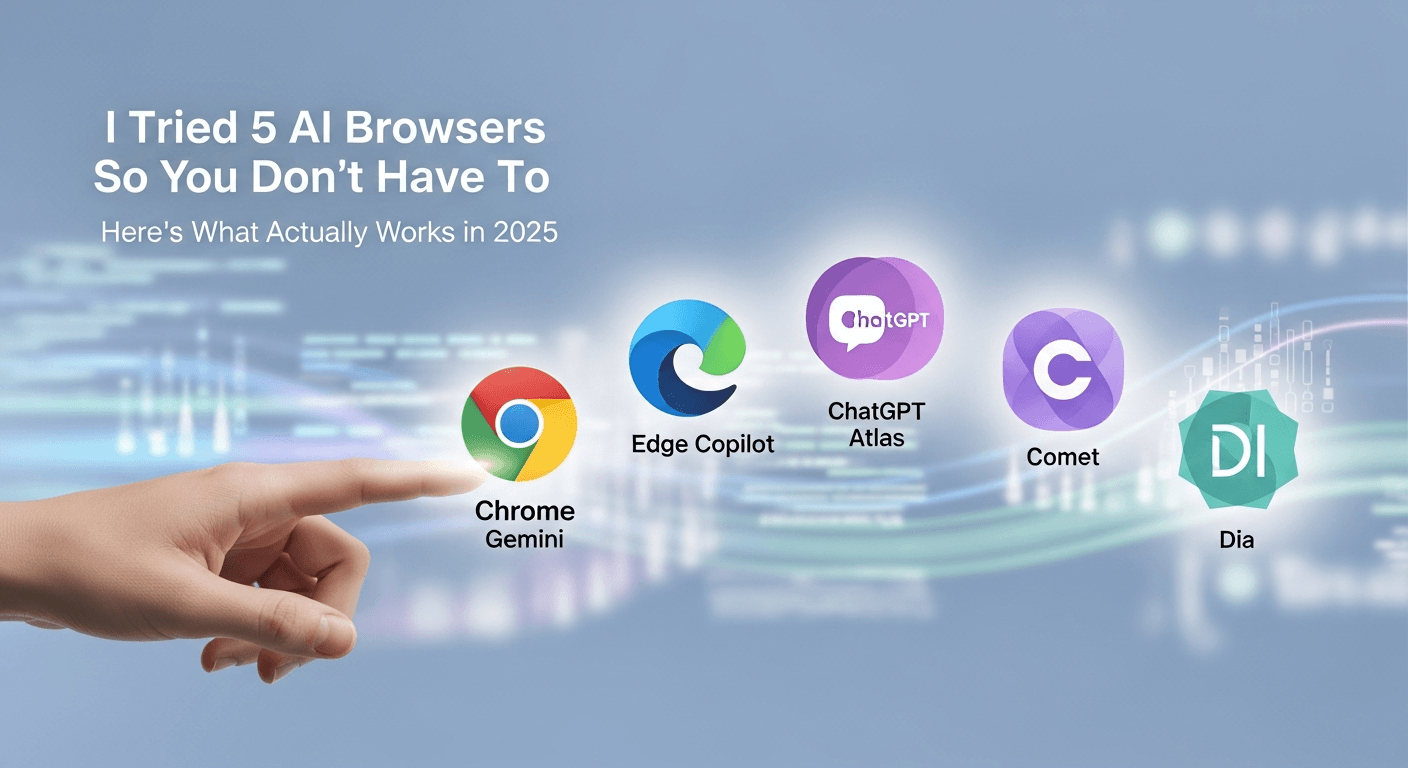
I Tried 5 AI Browsers So You Don’t Have To: Here’s What Actually Works in 2025
I explored 5 AI browsers—Chrome Gemini, Edge Copilot, ChatGPT Atlas, Comet, and Dia—to find out what works. Here are insights, advantages, and safety recommendations.
Read Article


