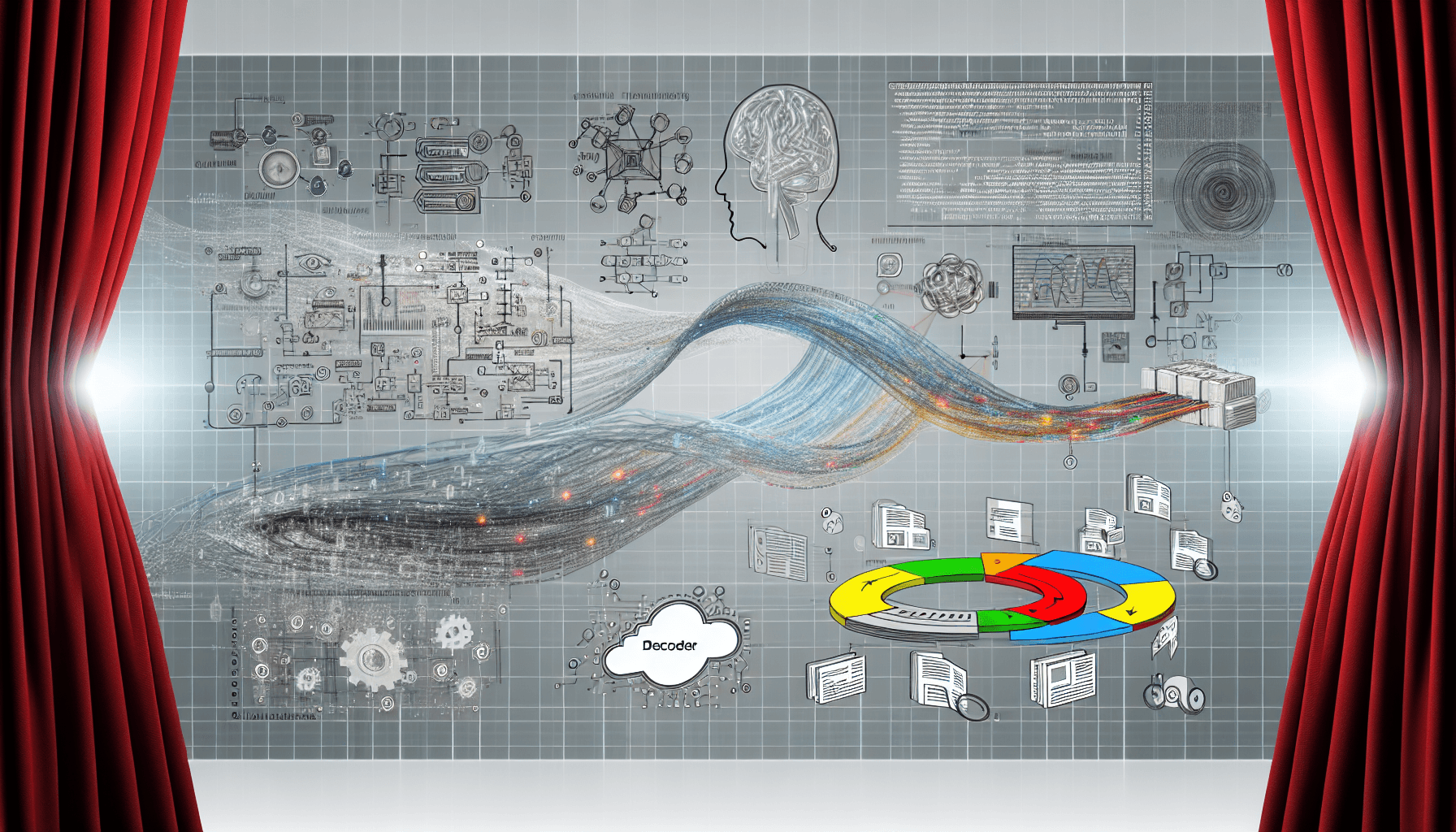
Exploring the GPT Decoder: How It Works
The GPT (Generative Pre-trained Transformer) decoder is at the forefront of artificial intelligence, revolutionizing the way machines understand and generate human-like text. This comprehensive guide delves into the intricacies of the GPT model’s decoder component, its operational mechanics, and its impact on technology and various industries.
Introduction to the GPT Decoder
The GPT decoder is part of a broader system developed by OpenAI, known as the Generative Pre-trained Transformer. Its primary function is to analyze and interpret the nuances of human language, facilitating more fluent and coherent text generation. The model’s decoder uses deep learning algorithms to predict the next word in a sentence, based on the context provided by previous words, making it an essential tool for applications like chatbots, content creation tools, and more.
Title for How the Decoder Works
To understand how the GPT Decoder operates, it’s crucial to start with its architecture. The decoder is built on a transformer model, which relies on self-attention mechanisms to weigh the importance of each word in the input data relative to others. This is crucial for generating coherent and context-aware text sequences.
During the decoding phase, the transformer takes the embeddings of the input text along with positional encodings that add information about the order of words in the sequence. It then processes this information through multiple layers of attention and feed-forward neural networks, progressively generating the output text one word at a time. This sequential processing allows the model to consider the entire context of the input when making predictions, a feature distinguishing it from earlier AI models that analyzed words in isolation.
Applications and Impact
The applications of the GPT decoder are widespread, influencing sectors like customer service, where chatbots powered by GPT can engage in more complex and satisfying interactions with users. In content creation, journalists and writers leverage the technology to draft articles and create creative content, significantly reducing time and effort. Other sectors, such as healthcare and education, also benefit from enhanced AI communication tools providing more personalized and accessible information.
Challenges and Ethical Considerations
While the GPT decoder brings numerous advancements, it also presents challenges, particularly in the areas of ethics and security. Issues like data privacy, the potential for generating misleading information, and the need for responsible usage are at the forefront of discussions around AI technology. Addressing these concerns is essential for ensuring that the deployment of GPT-powered solutions is beneficial and secure for all users.
Conclusion
The GPT decoder represents a significant step forward in the field of artificial intelligence. By understanding its workings and applications, tech companies, developers, and everyday users can better harness the power of AI to improve communication, automate tasks, and craft solutions that were once thought impossible. As we continue to explore this technology, it becomes crucial to navigate its challenges responsibly, ensuring a future where AI enhances rather than diminishes human capabilities.
For more deep dives into how emerging technologies are shaping our world, stay tuned to our blog and explore the vast possibilities that AI and machine learning have to offer.
Thank You for Reading this Blog and See You Soon! 🙏 👋
Let's connect 🚀
Latest Insights
Deep dives into AI, Engineering, and the Future of Tech.
I Tried 5 AI Browsers So You Don’t Have To: Here’s What Actually Works in 2025
I explored 5 AI browsers—Chrome Gemini, Edge Copilot, ChatGPT Atlas, Comet, and Dia—to find out what works. Here are insights, advantages, and safety recommendations.
Read Article


