Exploring Large Text Datasets for AI Training
Introduction to Large Text Datasets
In the world of artificial intelligence (AI), the quality and quantity of training data plays a pivotal role in determining the success of machine learning models. Large text datasets, in particular, are essential for training algorithms in natural language processing (NLP) tasks. These datasets enable machines to understand, interpret, and generate human language in a way that is both meaningful and contextually relevant.
The Importance of Text Data in AI
Text data is at the heart of many AI applications, from chatbots and virtual assistants to sophisticated data analysis tools. The rich, varied nature of text allows AI models to learn the nuances of language, including syntax, semantics, and pragmatics, which are crucial for tasks like sentiment analysis, language translation, and content recommendation.
Challenges in Utilizing Large Text Datasets
Despite their importance, large text datasets come with their own set of challenges:
- Data Quality: High-quality, accurate data is vital. Datasets often contain noise such as irrelevant information, misspellings, and grammatical errors that can derail the training process.
- Data Diversity: Ensuring that the dataset represents a diverse range of languages, dialects, and writing styles is essential for building robust models.
- Scalability: Processing large datasets requires significant computational resources, making scalability a major concern.
- Privacy and Ethical Considerations: With great data comes great responsibility. It is imperative to handle sensitive data with respect and in accordance with privacy laws and ethical standards.
Best Practices for Handling Large Text Datasets
To effectively utilize large text datasets, consider the following best practices:
- Data Cleaning: Invest time in preprocessing data to remove noise and correct errors. This enhances the quality of the dataset and increases the performance of AI models.
- Data Annotation: Annotate data accurately to help the model understand and learn from context. This might involve tagging parts of speech, annotating entities, or labeling sentiment.
- Utilize Cloud Computing: Leverage cloud platforms for scalable computing resources to process large datasets efficiently.
- Focus on Security: Implement strong data security measures to protect data privacy and comply with regulatory requirements.
Advanced Techniques and Tools for Text Data Processing
To further enhance the effectiveness of large text datasets in AI training, consider the following tools and techniques:
- Natural Language Toolkits: Use NLP libraries, like NLTK or SpaCy, which offer robust tools for text processing and linguistics.
- Deep Learning Frameworks: Experiment with neural networks using frameworks like TensorFlow or PyTorch for advanced text analysis.
- Data Augmentation: Employ techniques to synthetically expand the data such as paraphrasing, text generation, or translation to increase dataset size and variability.
- Transfer Learning: Apply models pre-trained on large datasets to new problems with similar text data. This can significantly reduce training time and improve model performance.
Case Studies: Success Stories in AI Training with Large Text Datasets
Many organizations have successfully leveraged large text datasets to improve their AI applications. For example:
- Technology Giants: Companies like Google and Microsoft use large text datasets to train their search and translation engines, making them more effective over time.
- Healthcare: AI models trained on extensive medical texts aid in diagnosing diseases and suggesting treatments, enhancing the accuracy and efficiency of healthcare services.
- Financial Services: Banks and insurance companies use AI trained on large datasets for risk assessment, fraud detection, and customer service improvement.
Conclusion
Large text datasets are a cornerstone in the field of AI, providing the raw material needed to teach machines how to interact with human language effectively. With the right techniques and tools, these datasets can be transformed into powerful tools that significantly enhance the capability and accuracy of AI models. As technology advances, the way we collect, process, and utilize text data will undoubtedly evolve, leading to even more sophisticated and intuitive AI systems.
Keep Learning and Exploring
For AI practitioners and enthusiasts looking to dive deeper into the world of text data and AI training, staying updated with the latest tools, techniques, and trends is crucial. Engaging with community forums, attending workshops, and continual learning are key to mastering the use of large text datasets in AI.
Thank You for Reading this Blog and See You Soon! 🙏 👋
Let's connect 🚀
Latest Insights
Deep dives into AI, Engineering, and the Future of Tech.
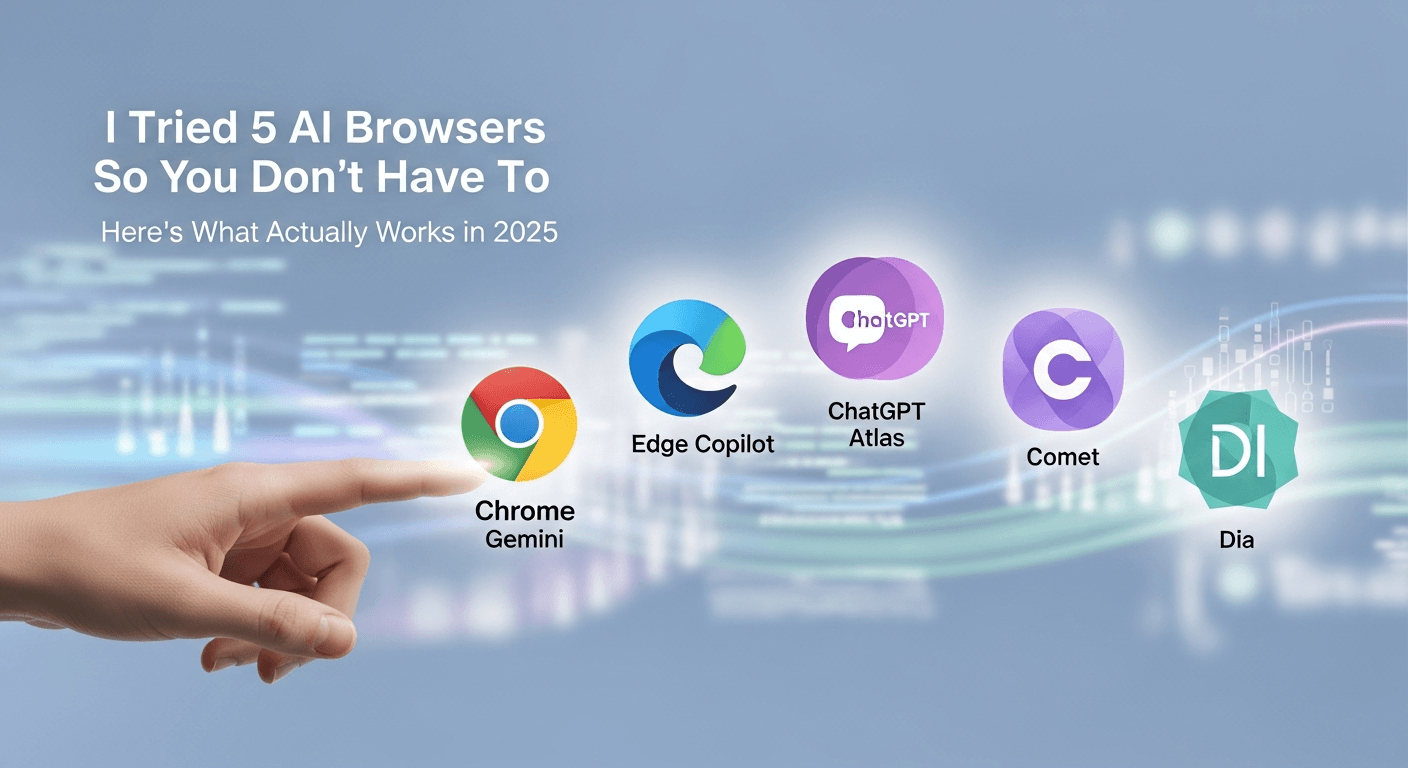
I Tried 5 AI Browsers So You Don’t Have To: Here’s What Actually Works in 2025
I explored 5 AI browsers—Chrome Gemini, Edge Copilot, ChatGPT Atlas, Comet, and Dia—to find out what works. Here are insights, advantages, and safety recommendations.
Read Article


