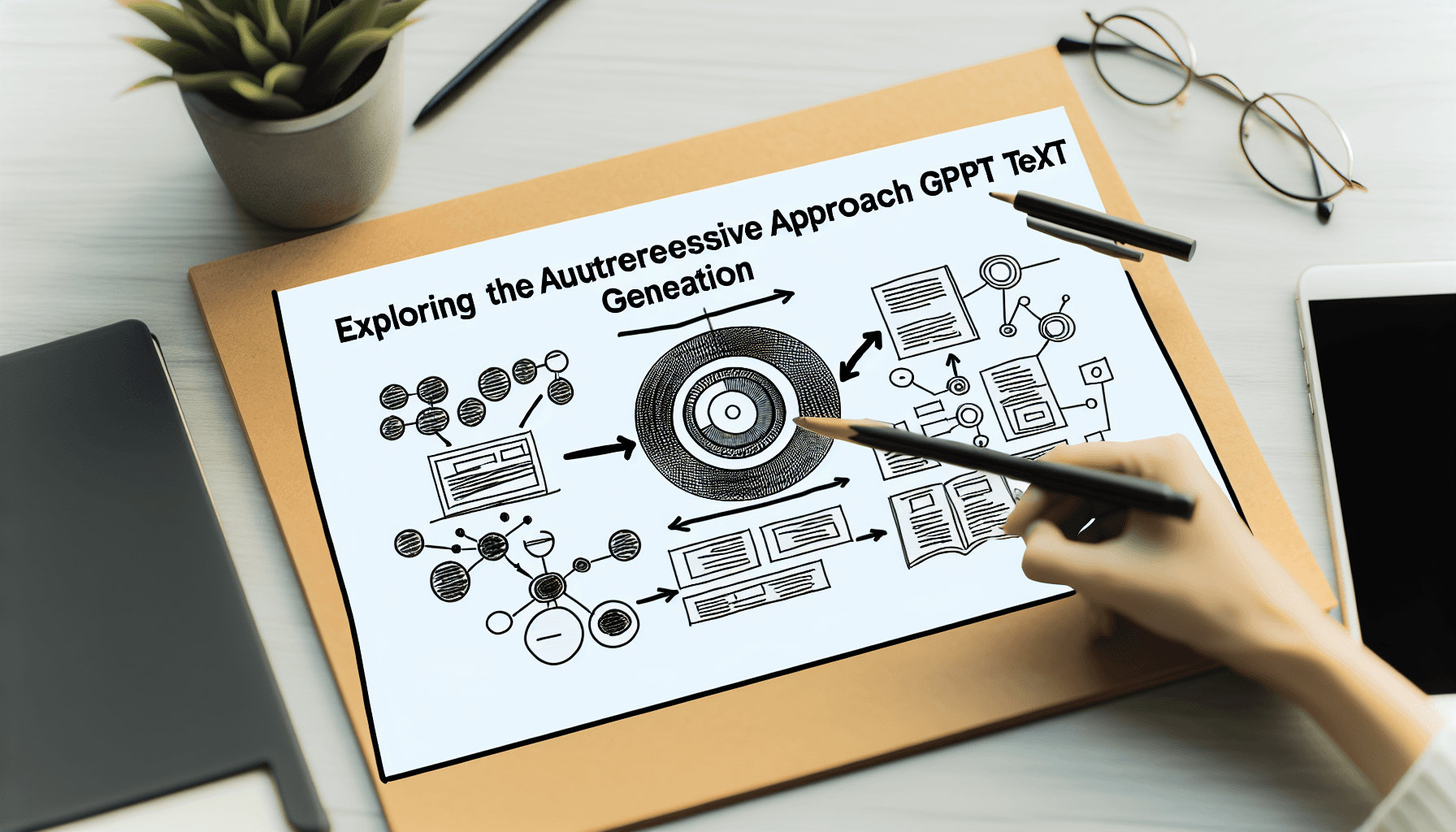
Exploring GPT’s Autoregressive Approach to Text Generation
The realm of artificial intelligence (AI) is vast and diverse, with its implications touching virtually every aspect of modern life. One of the more fascinating advancements in AI has been in the field of natural language processing (NLP), particularly the development of Generative Pre-trained Transformers (GPT). Developed by OpenAI, GPT models have revolutionized the way machines understand and generate human-like text. In this blog, we’ll explore the autoregressive approach utilized by GPT models that enables them to produce coherent and contextually relevant text, setting new benchmarks in the domain of AI-driven text generation.
“With every word generated, GPT models consider the entire history of the text input to predict the next word, making the narrative increasingly refined and targeted.”
Understanding the Basics of Autoregressive Models
At its core, an autoregressive model is a type of statistical model that is used for predicting future behavior based on past behaviors. In the context of GPT and text generation, this means that the model uses the text it has already generated (or been provided) to predict what comes next. This sequential approach allows GPT to maintain coherence and context throughout pieces of text, regardless of length.
The Evolution of GPT: From GPT-1 to GPT-3 and Beyond
Since the release of GPT-1 in 2018, there have been significant enhancements leading to the development of GPT-3, the third and most powerful iteration to date. Each version of the GPT model has been built on a larger scale with more parameters, capable of handling a broader array of tasks without task-specific tuning. GPT-3, with its 175 billion parameters, can generate text that is indistinguishable from that written by humans in many contexts.
How GPT’s Autoregressive Nature Fuels AI Creativity
The autoregressive nature of GPT models is not just a technical specification; it’s a gateway to enhanced creativity. This trait enables the model to write poetry, create stories, generate informational content, and even mimic human conversational styles. Each piece of text is generated word by word, with the model consistently making predictions based on the accumulated data from the previous text.
Applications and Implications of GPT in Various Sectors
From writing assistance in journalism to developing code in software engineering, GPT’s capabilities are being leveraged across various sectors. In education, for instance, GPT can customize learning materials in real-time according to the student’s progress and learning style. The healthcare sector also benefits from GPT’s proficiency in parsing and generating medical texts, potentially transforming patient care documents and medical research.
Challenges and Considerations with GPT’s Autoregressive Model
While GPT’s text generation capabilities are impressive, they’re not without challenges. Issues such as data biases, ethical concerns around the potential misuse of the technology, and the computational cost of training and running such large models are significant considerations. Balancing innovation with responsibility is crucial as we navigate the future of autoregressive models in AI.
The Future of Text Generation with Autoregressive AI Models
The trajectory of GPT models suggests a future where AI can collaborate even more seamlessly with humans, possibly leading to advancements in personal assistants, educational tools, and more. As AI continues to evolve, the potential for new applications seems limitless, promising a future where AI and humans co-create in ways we are only beginning to imagine.
“As we stand on the brink of the next wave of technological evolution, it’s imperative to foster an environment that values both innovation and ethical responsibility in the development and deployment of AI technologies like GPT.”
Thank You for Reading this Blog and See You Soon! 🙏 👋
Let's connect 🚀
Latest Insights
Deep dives into AI, Engineering, and the Future of Tech.
I Tried 5 AI Browsers So You Don’t Have To: Here’s What Actually Works in 2025
I explored 5 AI browsers—Chrome Gemini, Edge Copilot, ChatGPT Atlas, Comet, and Dia—to find out what works. Here are insights, advantages, and safety recommendations.
Read Article


