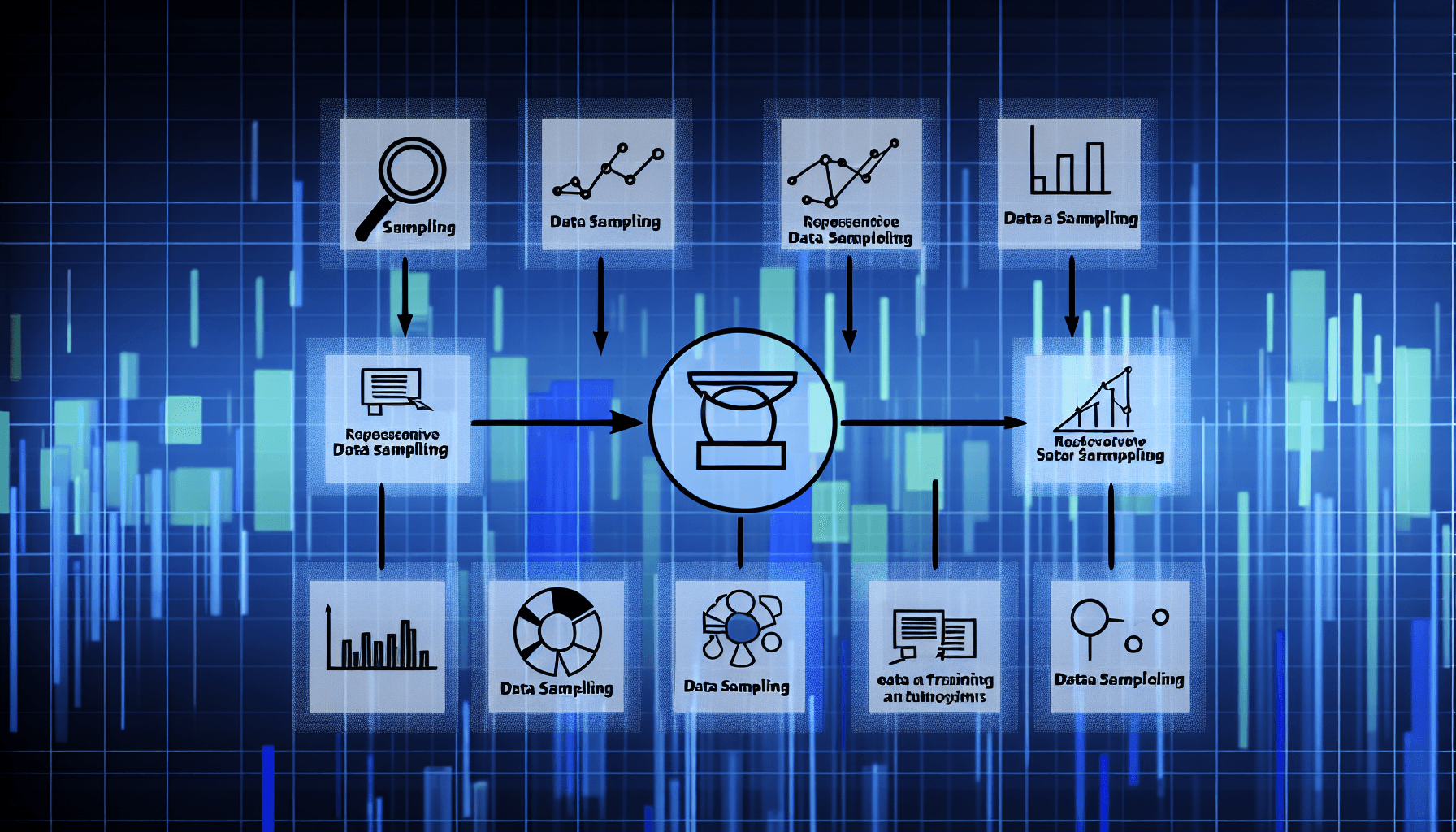
Data Sampling Techniques for Effective Training
Introduction
Effective training of machine learning models is crucial for achieving high accuracy and efficiency in various applications, from predictive analytics to autonomous systems. One of the foundational steps in this process is data sampling, which involves selecting a representative subset of data from a larger dataset. This blog post delves into the various data sampling techniques used in training, explaining their importance and providing guidance on choosing the right method for different scenarios.
Understanding the Basics of Data Sampling
Data sampling is a statistical analysis technique used to approximate a large dataset by observing a smaller subset of the data. This approach not only saves computational resources but also helps in managing the data more effectively. Sampling is particularly vital in scenarios where the complete dataset is too large to be processed or where data collection is costly.
Types of Data Sampling Techniques
There are several data sampling techniques that can be used depending on the specific needs of the project. Some of the most commonly used sampling methods include:
- Random Sampling: Every member of the dataset has an equal chance of being included in the sample. This method is simple and often effective in avoiding bias.
- Systematic Sampling: Selects data at regular intervals from an ordered dataset. It’s simpler and faster than random sampling but can introduce bias if the dataset is not random.
- Stratified Sampling: Involves dividing the population into smaller groups, or strata, that share a similar attribute. This method ensures that the sample represents the population more accurately.
- Cluster Sampling: Divides the population into clusters, and then a simple random sample of these clusters is selected. This is useful when the population is geographically scattered.
Importance of Sampling in Machine Learning
Sampling is crucial in machine learning for several reasons:
- It helps in reducing the time and resources required for training models.
- It prevents the model from overfitting by providing a more manageable dataset that still contains the variability of the full dataset.
- Sampling can improve the quality of data by excluding outliers or noise that may affect the training process adversely.
Choosing the right sampling method is therefore essential in enhancing the performance of machine learning algorithms.
Case Studies: Sampling in Action
To illustrate the impact of effective sampling techniques, let’s explore a few case studies where sampling played a key role in the success of projects:
- Case Study 1: A tech company used stratified sampling to improve their recommendation system. By creating strata based on user behavior, they could train their models more effectively to personalize content, thus increasing user engagement and satisfaction.
- Case Study 2: In healthcare, researchers used cluster sampling to study the outcomes of a new treatment across different hospitals. This method allowed them to efficiently collect data that was representative of various demographics.
Best Practices for Data Sampling
To maximize the benefits of data sampling in your projects, consider the following best practices:
- Understand the underlying distribution of your data and choose a sampling technique that complements it.
- Ensure the sample size is adequate to capture the complexity of the data while still being manageable.
- Regularly evaluate the effectiveness of the sampling method and make adjustments as needed.
- Consider the ethical implications of your sampling decisions, especially when dealing with sensitive data.
Tools and Resources for Implementing Sampling Techniques
Several tools and resources can help in implementing effective sampling techniques:
- R and Python Libraries: Packages like ‘pandas’ and ‘numpy’ in Python, or ‘dplyr’ and ‘tidyr’ in R, offer comprehensive functions for different types of sampling.
- Software Platforms: Tools like SAS, SPSS, and MATLAB provide advanced sampling capabilities, ideal for more complex analyses.
Utilizing these tools can streamline the sampling process, making it more efficient and scalable.
Conclusion
Effective data sampling is essential for training robust machine learning models. By understanding and applying the right sampling techniques, you can greatly enhance the accuracy and efficiency of your models. Whether you’re dealing with big data or small, consider these sampling strategies to improve your project’s outcomes.
Thank You for Reading this Blog and See You Soon! 🙏 👋
Let's connect 🚀
Latest Insights
Deep dives into AI, Engineering, and the Future of Tech.

I Tried 5 AI Browsers So You Don’t Have To: Here’s What Actually Works in 2025
I explored 5 AI browsers—Chrome Gemini, Edge Copilot, ChatGPT Atlas, Comet, and Dia—to find out what works. Here are insights, advantages, and safety recommendations.
Read Article


