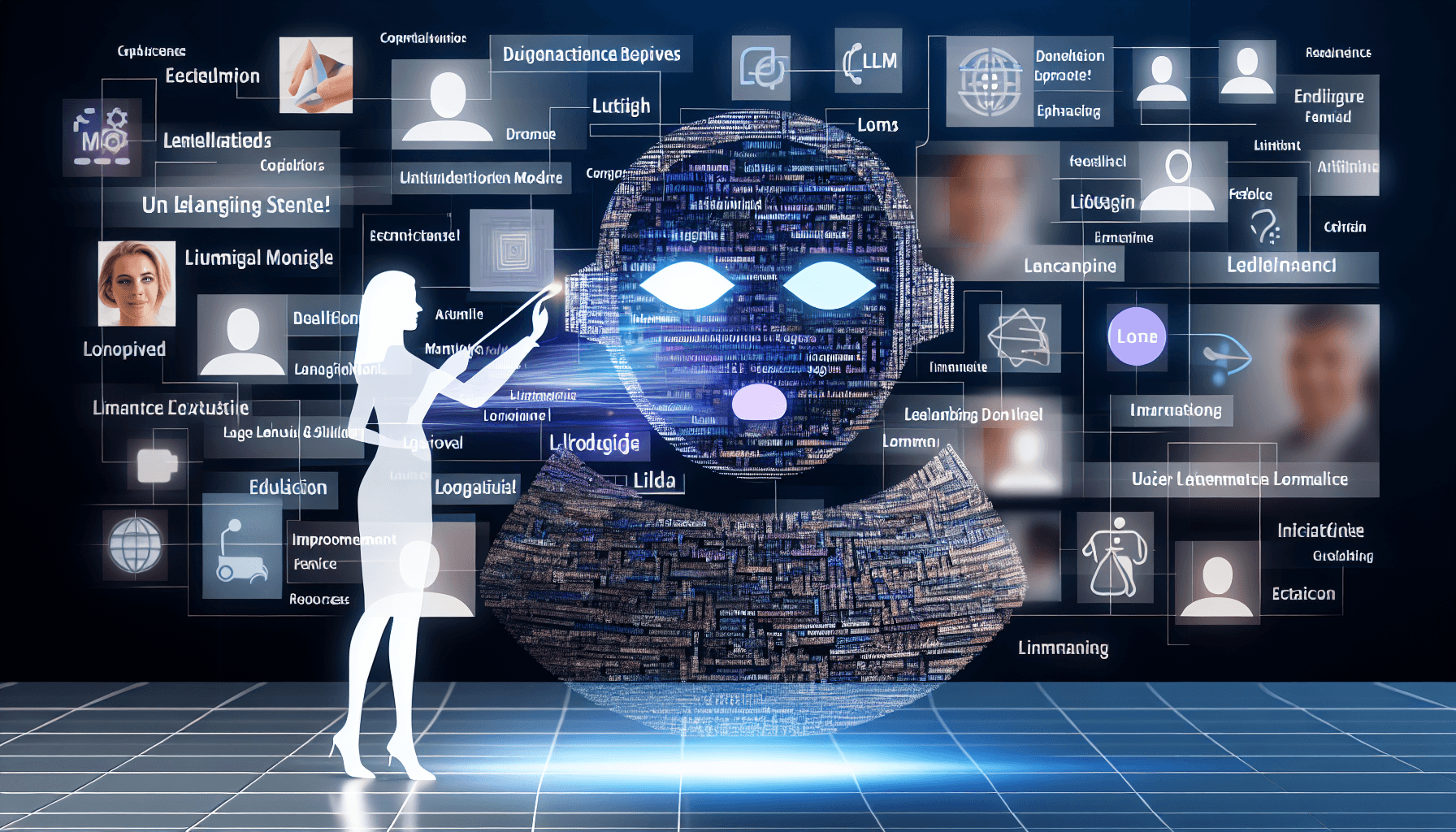
Creating AI-Driven Virtual Assistants with Large Language Models
Introduction to Large Language Models (LLMs)
Large Language Models (LLMs) like GPT (Generative Pre-trained Transformer) have significantly transformed the tech landscape by enabling the creation of sophisticated, AI-driven virtual assistants. These models, trained on extensive datasets, are capable of understanding and generating human-like text, making them ideal for a breadth of applications in customer service, healthcare, finance, and more.
Why Use LLMs for Virtual Assistants?
Utilizing LLMs in virtual assistants provides several advantages including improved natural language understanding, personalized interaction, and scalability. These features help businesses enhance customer satisfaction, reduce operational costs, and remain competitive in today’s digital era.
Key Features of AI-Driven Virtual Assistants Powered by LLMs
- Adaptive Learning: LLMs can learn from interactions and adapt their responses accordingly, providing a dynamic learning experience that constantly evolves.
- Contextual Understanding: These models grasp the context of conversations, allowing for more coherent and contextually appropriate responses.
- Personalization: AI-driven assistants can customize interactions based on user preferences and past interactions, offering a highly personalized user experience.
Developing AI-Driven Virtual Assistants with LLMs
The development of AI-driven virtual assistants using LLMs involves several key steps. Initially, defining the scope and objectives of the virtual assistant is crucial. Subsequent stages include training the model with relevant data, integrating natural language processing capabilities, and continuously testing and refining the model to suit specific user needs.
Case Studies: Success Stories
Several companies across different industries have successfully integrated AI-driven virtual assistants powered by LLMs to enhance their operations. Examples include a leading e-commerce company that improved its customer service response time by 50%, and a healthcare provider that used virtual assistants to decrease patient wait times and improve service delivery.
Challenges in Implementing LLM-based Virtual Assistants
Despite the benefits, some challenges persist in the implementation of virtual assistants powered by LLMs, such as data privacy concerns, high implementation costs, and the need for continuous updates and maintenance.
Future Trends in AI-Driven Virtual Assistants
The future of AI-driven virtual assistants looks promising with advancements in AI research. Innovations like voice recognition and AI ethics are poised to further refine virtual assistant technologies, making them more accessible and efficient.
Conclusion
The integration of LLMs in virtual assistants represents a significant advancement in artificial intelligence applications, promising more efficient, personalized, and intuitive user interactions. As technology evolves, so too will the capabilities and applications of AI-driven virtual assistants, ushering in a new era of automated and intelligent user engagement.
For more information on AI-driven technologies and virtual assistants, stay connected to our blog and subscribe for updates.
Thank You for Reading this Blog and See You Soon! 🙏 👋
Let's connect 🚀
Latest Insights
Deep dives into AI, Engineering, and the Future of Tech.
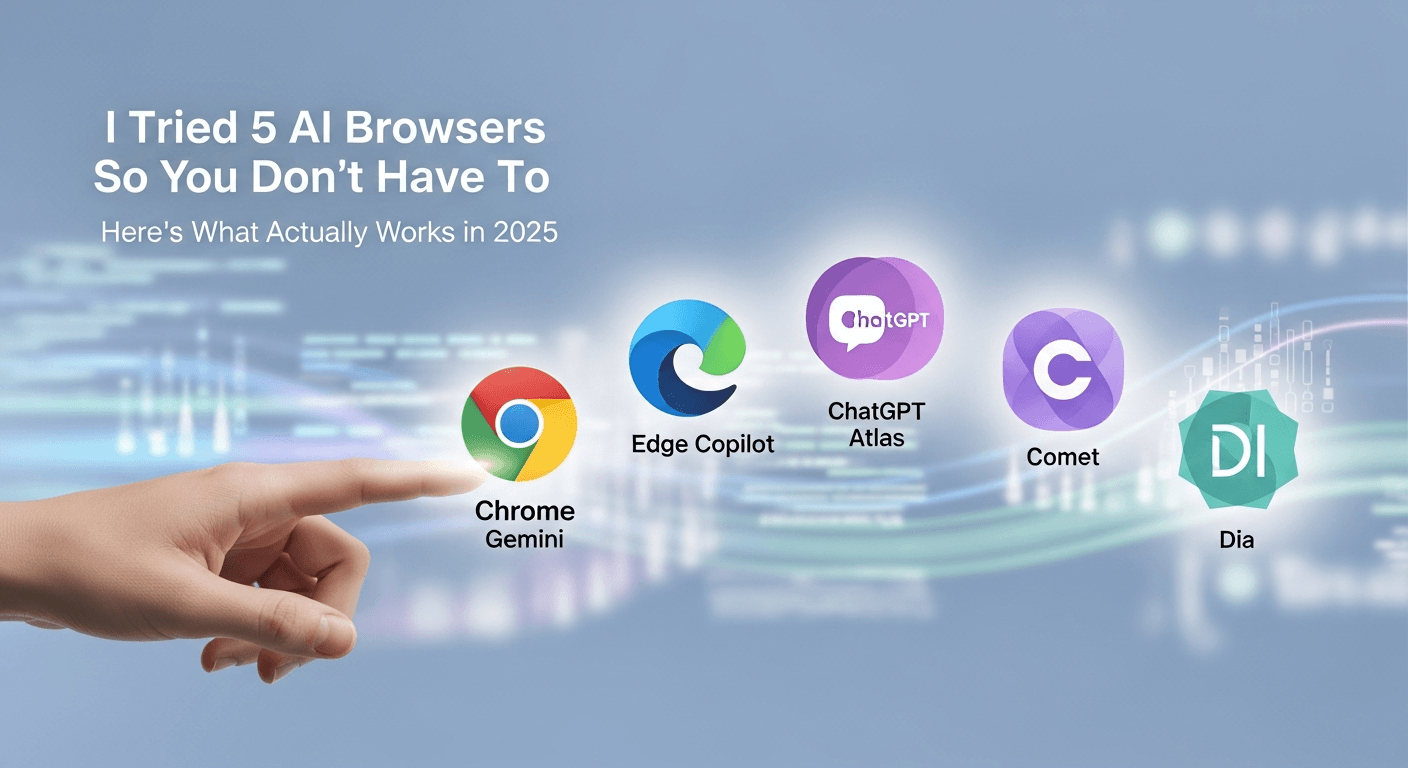
I Tried 5 AI Browsers So You Don’t Have To: Here’s What Actually Works in 2025
I explored 5 AI browsers—Chrome Gemini, Edge Copilot, ChatGPT Atlas, Comet, and Dia—to find out what works. Here are insights, advantages, and safety recommendations.
Read Article


