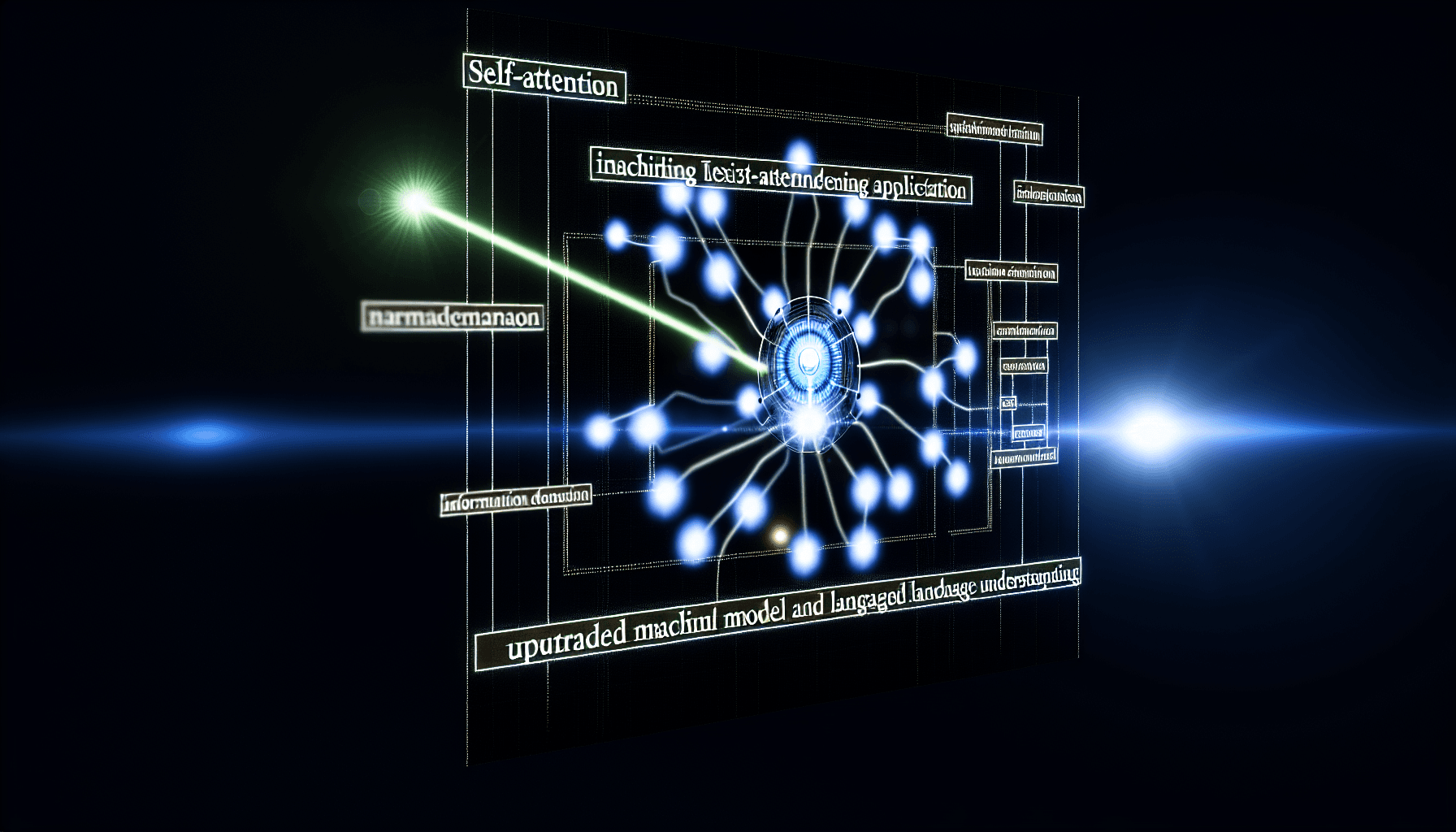
Exploring the Power of Self-Attention in Text Analysis
Introduction
Text analysis has rapidly evolved with the advent of machine learning, and among the various techniques, self-attention mechanisms have been pivotal in transforming how models process languages. This post delves into how self-attention is applied in text analysis, outlining its advantages, practical applications, and impact on future technology developments.
What is Self-Attention?
Self-attention, a concept primarily used in natural language processing (NLP), allows models to focus on different parts of input data by assigning different weighting. Originally popularized by the Transformer model introduced in the landmark paper ‘Attention is All You Need’ by Vaswani et al. in 2017, self-attention has been instrumental in improving the performance of models by enabling them to interpret complex dependencies in text.
Benefits of Self-Attention in Text Analysis
- Context Awareness: Self-attention mechanisms provide a neural network the ability to access any part of input text, making it better at understanding context, an essential factor in many NLP tasks.
- Scalability: Unlike traditional RNNs, self-attention scales linearly with sentence length, making it computationally more efficient especially for longer sequences.
- Parallel Computation: The structure of self-attention models allows for parallel computation, significantly speeding up the training process.
Core Components of Self-Attention Mechanisms
The self-attention mechanism typically uses a set of queries (Q), keys (K), and values (V) to process an input sequence. The queries, keys, and values are all vectors derived from the input data. The output of the self-attention process is a weighted sum of the values, where the weight assigned to each value is determined by a compatibility function of the query with the corresponding key.
Applications of Self-Attention in Text Analysis
- Machine Translation: Self-attention models have significantly improved the quality and efficiency of machine translation systems by enabling more accurate context capture across sentences.
- Sentiment Analysis: By understanding nuanced expressions of emotions, self-attention helps in accurately discerning the sentiment conveyed in texts, making it valuable for customer feedback analysis and social media monitoring.
- Content Personalization: Enhanced understanding of user preferences through analysis of their interaction with texts has enabled more sophisticated content recommendation systems.
Challenges and Future Prospects
While self-attention has many advantages, it also comes with challenges, particularly in terms of complexity and resource requirements. Future advancements could focus on optimizing these models to be more energy-efficient and accessible for broader applications.
Conclusion
The integration of self-attention mechanisms into text analysis has marked a significant leap forward in NLP technologies. As we continue to refine these models, their potential to transform industries and how we interface with digital content becomes increasingly evident.
For professionals and enthusiasts alike, understanding and leveraging self-attention within text analysis models can lead to more informed decision-making and enhanced technological solutions.
Thank You for Reading this Blog and See You Soon! 🙏 👋
Let's connect 🚀
Latest Insights
Deep dives into AI, Engineering, and the Future of Tech.
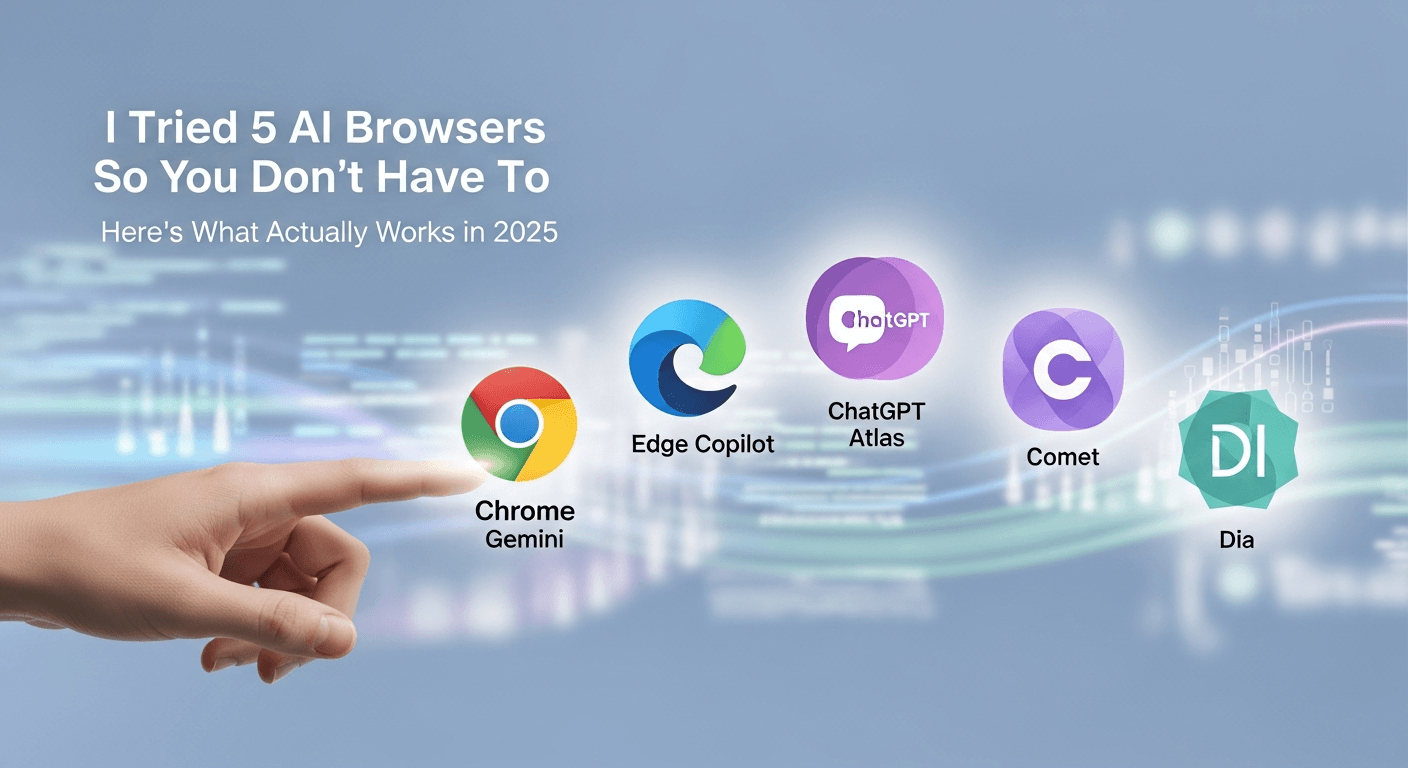
I Tried 5 AI Browsers So You Don’t Have To: Here’s What Actually Works in 2025
I explored 5 AI browsers—Chrome Gemini, Edge Copilot, ChatGPT Atlas, Comet, and Dia—to find out what works. Here are insights, advantages, and safety recommendations.
Read Article


