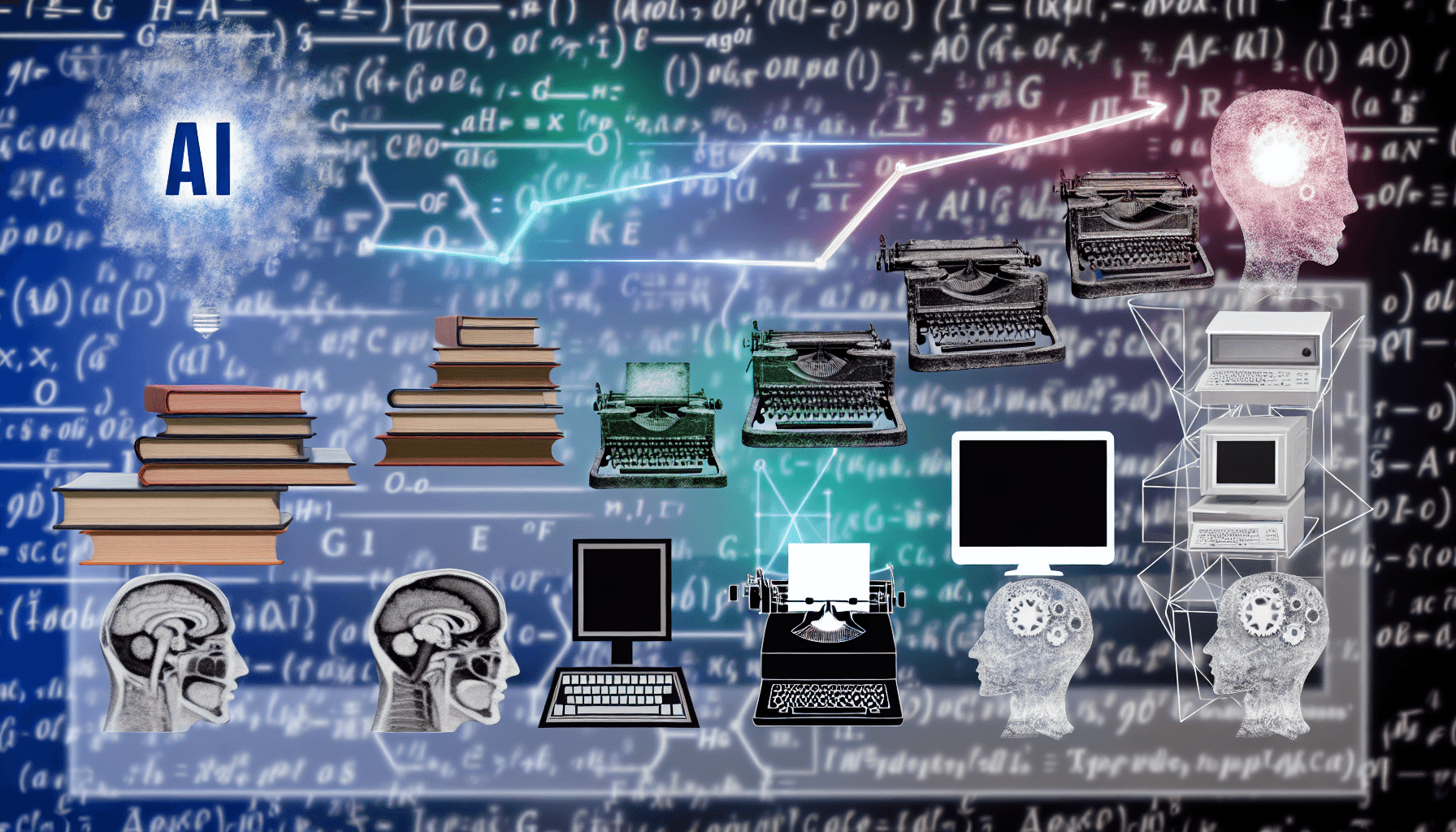
AI Text Generation: From Theory to Practice
Artificial Intelligence (AI) has revamped numerous industries by automating processes and enhancing efficiencies, and the realm of text generation is no exception. AI’s ability to produce text from structured data not only simplifies tasks like content creation but also ensures consistency and accuracy. This blog explores the fascinating progression of AI text generation from its theoretical underpinnings to its practical applications, highlighting key technologies, challenges, and future perspectives.
Understanding AI Text Generation
AI text generation involves using machine learning models to generate human-like text. This capability stems from the field of natural language processing (NLP), which enables machines to understand and manipulate human language. The core technology behind AI text generation is rooted in statistical modeling and neural networks, particularly the use of Transformer models, which have revolutionized NLP since their introduction.
Transformer models, such as OpenAI’s GPT (Generative Pre-trained Transformer) and Google’s BERT (Bidirectional Encoder Representations from Transformers), are trained on vast amounts of data. They learn patterns and nuances of language, allowing them to generate coherent and contextually relevant texts based on input prompts.
Early Developments and Theoretical Background
The theoretical foundations of AI text generation trace back to early works in computational linguistics and machine learning. In the 1950s and 1960s, the idea that computers could mimic human language processing was proposed, followed by the development of rule-based and statistical approaches to NLP. However, early attempts were limited by computational power and the absence of large datasets.
It wasn’t until the introduction of big data and advancements in neural network technologies that significant progress was made. The application of neural networks, particularly deep learning, to NLP tasks enabled a far more nuanced understanding of language patterns and improved the effectiveness of text generation models.
Transition to Practical Applications
As theoretical concepts turned into viable models, AI text generation began making its mark in practical applications. Its potency can be seen in various segments of industry and day-to-day applications:
- Content Creation: From writing articles, generating creative content for marketing, to crafting personalized emails, AI text generation tools are becoming indispensable for content creators.
- Customer Service: AI is used to power chatbots and virtual assistants that provide 24/7 customer service across many platforms.
- Academic and Research: AI helps in summarizing research papers and generating reports, significantly cutting down the time researchers spend on these tasks.
These applications only scratch the surface, as AI continues to penetrate deeper into more complex tasks, driven by the ever-improving capabilities of AI models.
Challenges and Ethical Considerations
Despite its impressive capabilities, AI text generation is not without challenges. Issues such as bias in training data, ethical concerns around misuse, and the potential for generating misleading information are significant. Addressing these challenges involves meticulous model training, choosing diverse and representative datasets, and developing ethical guidelines for the use of AI in text generation.
To ensure responsible usage, developers and companies are increasingly emphasizing transparency in AI systems, focusing on technologies that can explain their decision-making processes and outcomes.
Looking to the Future
The future of AI text generation is vibrant with possibilities. Ongoing research is making it increasingly sophisticated, capable of handling more complex writing styles and producing more accurate texts in multiple languages. The push towards more advanced multimodal AI systems that can integrate text, sound, and visuals represents the next frontier in AI text generation technology.
As we continue to refine these technologies, the potential for AI to seamlessly integrate into the fabric of our daily lives—from simplifying mundane tasks to enhancing creative processes—becomes ever more apparent.
From automating routine communications to revolutionizing creative expression, AI text generation holds the key to unlocking new realms of possibility. As we embrace these advancements, it’s crucial to navigate the challenges responsibly, ensuring that AI technology augments human efforts, fosters innovation, and contributes positively to society.
Thank You for Reading this Blog and See You Soon! 🙏 👋
Let's connect 🚀
Latest Insights
Deep dives into AI, Engineering, and the Future of Tech.
I Tried 5 AI Browsers So You Don’t Have To: Here’s What Actually Works in 2025
I explored 5 AI browsers—Chrome Gemini, Edge Copilot, ChatGPT Atlas, Comet, and Dia—to find out what works. Here are insights, advantages, and safety recommendations.
Read Article


